Climate Change Will Have A Significant Impact On Transportation Infrastructure And Operations
News Release
Last update March 11, 2008
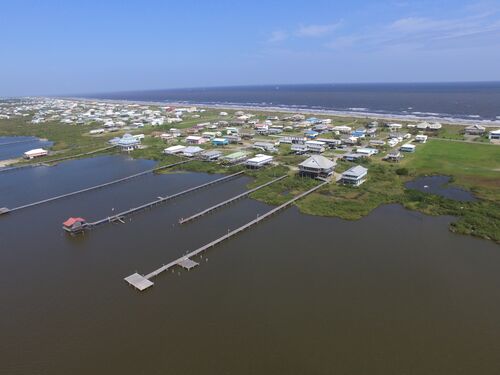
WASHINGTON -- While every mode of transportation in the U.S. will be affected as the climate changes, potentially the greatest impact on transportation systems will be flooding of roads, railways, transit systems, and airport runways in coastal areas because of rising sea levels and surges brought on by more intense storms, says a new report from the National Research Council. Though the impacts of climate change will vary by region, it is certain they will be widespread and costly in human and economic terms, and will require significant changes in the planning, design, construction, operation, and maintenance of transportation systems. The U.S. transportation system was designed and built for local weather and climate conditions, predicated on historical temperature and precipitation data. The report finds that climate predictions used by transportation planners and engineers may no longer be reliable, however, in the face of new weather and climate extremes. Infrastructure pushed beyond the range for which it was designed can become stressed and fail, as seen with loss of the U.S. 90 Bridge in New Orleans after Hurricane Katrina. "The time has come for transportation professionals to acknowledge and confront the challenges posed by climate change, and to incorporate the most current scientific knowledge into the planning of transportation systems," said Henry Schwartz Jr., past president and chairman of Sverdrup/Jacobs Civil Inc., and chair of the committee that wrote the report. "It is now possible to project climate changes for large subcontinental regions, such as the Eastern United States, a scale better suited for considering regional and local transportation infrastructure." The committee identified five climate changes of particular importance to U.S. transportation; 1) increases in very hot days and heat waves; 2) increases in Arctic temperatures; 3) rising sea levels; 4) increases in intense precipitation events; and 5) increases in hurricane intensity. In addition to climate changes, there are a number of contributing factors that will likely lead to vulnerabilities in coastal-area transportation systems. Population is projected to grow in coastal areas, which will boost demand for transportation infrastructure and increase the number of people and businesses potentially in harm's way; erosion and loss of wetlands have removed crucial buffer zones that once protected infrastructure; and an estimated 60,000 miles of coastal highways are already exposed to periodic storm flooding.
"Rising temperatures may trigger weather extremes and surprises, such as more rapid melting of the Arctic sea ice than projected," Schwartz said. "The highways that currently serve as evacuation routes and endure periodic flooding could be compromised with strong hurricanes and more intense precipitation, making some of these routes impassable." Transportation providers will need to focus on evacuation planning and work more closely with weather forecasters and emergency planners. Infrastructure vulnerabilities will extend beyond coastal areas as the climate continues to change. In the Midwest, for instance, increased intense precipitation could augment the severity of flooding, as occurred in 1993 when farmland, towns, and transportation routes were severely damaged from flooding along 500 miles of the Mississippi and Missouri river systems. On the other hand, drier conditions are likely to prevail in the watersheds supplying the St. Lawrence Seaway and the Great Lakes as well as the Upper Midwest river system. Lower water levels would reduce vessel shipping capacity, seriously impairing freight movements in the region, such as occurred during the drought of 1988, which stranded barge traffic on the Mississippi River. And in California, heat waves may increase wildfires that can destroy transportation infrastructure. Not all climate changes will be negative, however. Marine transportation could benefit from more open seas in the Arctic, creating new and shorter shipping routes and reducing transport time and costs. In cold regions, rising temperatures could reduce the costs of snow and ice control and would make travel conditions safer for passenger vehicles and freight. Preparing for projected climate changes will be costly. Transportation decision makers continually make short- and long-term investment decisions that affect how the infrastructure will respond to climate change. Response measures range from rehabilitating and retrofitting infrastructure to making major additions to constructing entirely new infrastructure. The committee noted the need for "a more strategic, risk-based approach to investment decisions that trades off the costs of making the infrastructure more robust against the economic costs of failure." In the future, climate changes in some areas may necessitate permanent alterations. For example, roads, rail lines, and airport runways in low-lying coastal areas may become casualties of sea-level rise, requiring relocations or expensive protective measures, such as sea walls and levees. The report calls for the federal government to have a strong role in implementing many of its recommendations that require broad-based action or regulation, such as the creation of a clearinghouse for information on transportation and climate change; the establishment of a research program to re-evaluate existing design standards and develop new standards for addressing climate change; creation of an interagency working group on adaptation; changes in federal regulations regarding long-range planning guidelines and infrastructure rehabilitation requirements; and re-evaluation of the National Flood Insurance Program and updating flood insurance rate maps with climate change in mind. Many of the committee's recommendations need not wait for federal action. Local governments and private infrastructure providers can begin to identify critical infrastructure that is particularly vulnerable to climate change. Professional organizations can single out examples of best practices, and transportation planners and climate scientists can begin collaboration on the development of regional scenarios for likely climate-related changes and the data needed to analyze their impacts. Focusing on the challenges now could help avoid costly transportation investments and disruptions to operations in the future. This report is a collaborative effort between the Transportation Research Board and the Division on Earth and Life Studies of the National Research Council. The sponsors of this report are the Transportation Research Board, National Cooperative Highway Research Program, U.S. Department of Transportation, Transit Cooperative Research Program, U.S. Environmental Protection Agency, and the U.S. Army Corps of Engineers. Copies of POTENTIAL IMPACTS OF CLIMATE CHANGE ON U.S. TRANSPORTATION are available from the Transportation Research Board; tel. 202-334-3213 or on the Internet at HTTP://WWW.TRB.ORG. Reporters may obtain a copy from the Office of News and Public Information (contacts listed above).
HENRY G. SCHWARTZ JR. 1 (CHAIR)
Chairman
Sverdrup/Jacobs Civil Inc. (retired)
St. Louis ALAN C. CLARK
Director
Metropolitan Planning Organization
Houston-Galveston Area Council
Houston G. EDWARD DICKEYAffiliate Professor of Economics
Loyola College in Maryland
Baltimore GEORGE C. EADS
Vice President
CRA International Inc.
Washington, D.C. ROBERT E. GALLAMORE
Consultant
The Gallamore GroupRehoboth Beach, Del. GENEVIEVE GIULIANO
Senior Associate Dean of Research and Technology
School of Policy, Planning, and Development
University of Southern California
Los Angeles WILLIAM J. GUTOWSKI JR.
Professor of MeteorologyIowa State UniversityAmes RANDELL H. IWASAKI
Chief Deputy Director
California Department of Transportation
Sacramento KLAUS H. JACOB
Special Research ScientistLamont-Doherty Earth Observatory of Columbia UniversityPalisades, N.Y.THOMAS R. KARL
Director
National Climatic Data Center
National Oceanic and Atmospheric Administration
Asheville, N.C. ROBERT J. LEMPERT
Senior Scientist
The RAND Corp.
Santa Monica, Calif. LUISA M. PAIEWONSKY
Commissioner
Massachusetts Highway Department
Boston S. GEORGE H. PHILANDER 2 (through 12/06)
Professor of Geosciences
Princeton University
Princeton, N.J. CHRISTOPHER R. ZEPPIE
Director
Office of Environmental Policy, Programs, and Compliance
The Port Authority of New York and New Jersey
New York City RESEARCH COUNCIL STAFF NANCY P. HUMPHREYSenior Staff Officer and Study DirectorTransportation Research Board AMANDA C. STAUDT (through 2/07)Senior Program OfficerDivision on Earth and Life Studies 1 Member, National Academy of Engineering 2 Member, National Academy of Sciences
"Rising temperatures may trigger weather extremes and surprises, such as more rapid melting of the Arctic sea ice than projected," Schwartz said. "The highways that currently serve as evacuation routes and endure periodic flooding could be compromised with strong hurricanes and more intense precipitation, making some of these routes impassable." Transportation providers will need to focus on evacuation planning and work more closely with weather forecasters and emergency planners. Infrastructure vulnerabilities will extend beyond coastal areas as the climate continues to change. In the Midwest, for instance, increased intense precipitation could augment the severity of flooding, as occurred in 1993 when farmland, towns, and transportation routes were severely damaged from flooding along 500 miles of the Mississippi and Missouri river systems. On the other hand, drier conditions are likely to prevail in the watersheds supplying the St. Lawrence Seaway and the Great Lakes as well as the Upper Midwest river system. Lower water levels would reduce vessel shipping capacity, seriously impairing freight movements in the region, such as occurred during the drought of 1988, which stranded barge traffic on the Mississippi River. And in California, heat waves may increase wildfires that can destroy transportation infrastructure. Not all climate changes will be negative, however. Marine transportation could benefit from more open seas in the Arctic, creating new and shorter shipping routes and reducing transport time and costs. In cold regions, rising temperatures could reduce the costs of snow and ice control and would make travel conditions safer for passenger vehicles and freight. Preparing for projected climate changes will be costly. Transportation decision makers continually make short- and long-term investment decisions that affect how the infrastructure will respond to climate change. Response measures range from rehabilitating and retrofitting infrastructure to making major additions to constructing entirely new infrastructure. The committee noted the need for "a more strategic, risk-based approach to investment decisions that trades off the costs of making the infrastructure more robust against the economic costs of failure." In the future, climate changes in some areas may necessitate permanent alterations. For example, roads, rail lines, and airport runways in low-lying coastal areas may become casualties of sea-level rise, requiring relocations or expensive protective measures, such as sea walls and levees. The report calls for the federal government to have a strong role in implementing many of its recommendations that require broad-based action or regulation, such as the creation of a clearinghouse for information on transportation and climate change; the establishment of a research program to re-evaluate existing design standards and develop new standards for addressing climate change; creation of an interagency working group on adaptation; changes in federal regulations regarding long-range planning guidelines and infrastructure rehabilitation requirements; and re-evaluation of the National Flood Insurance Program and updating flood insurance rate maps with climate change in mind. Many of the committee's recommendations need not wait for federal action. Local governments and private infrastructure providers can begin to identify critical infrastructure that is particularly vulnerable to climate change. Professional organizations can single out examples of best practices, and transportation planners and climate scientists can begin collaboration on the development of regional scenarios for likely climate-related changes and the data needed to analyze their impacts. Focusing on the challenges now could help avoid costly transportation investments and disruptions to operations in the future. This report is a collaborative effort between the Transportation Research Board and the Division on Earth and Life Studies of the National Research Council. The sponsors of this report are the Transportation Research Board, National Cooperative Highway Research Program, U.S. Department of Transportation, Transit Cooperative Research Program, U.S. Environmental Protection Agency, and the U.S. Army Corps of Engineers. Copies of POTENTIAL IMPACTS OF CLIMATE CHANGE ON U.S. TRANSPORTATION are available from the Transportation Research Board; tel. 202-334-3213 or on the Internet at HTTP://WWW.TRB.ORG. Reporters may obtain a copy from the Office of News and Public Information (contacts listed above).
Contacts:
Maureen O'Leary, Director of Public Information
Luwam Yeibio, Media Relations Assistant
Office of News and Public Information
202-334-2138; e-mail news@nas.edu
HENRY G. SCHWARTZ JR. 1 (CHAIR)
Chairman
Sverdrup/Jacobs Civil Inc. (retired)
St. Louis ALAN C. CLARK
Director
Metropolitan Planning Organization
Houston-Galveston Area Council
Houston G. EDWARD DICKEYAffiliate Professor of Economics
Loyola College in Maryland
Baltimore GEORGE C. EADS
Vice President
CRA International Inc.
Washington, D.C. ROBERT E. GALLAMORE
Consultant
The Gallamore GroupRehoboth Beach, Del. GENEVIEVE GIULIANO
Senior Associate Dean of Research and Technology
School of Policy, Planning, and Development
University of Southern California
Los Angeles WILLIAM J. GUTOWSKI JR.
Professor of MeteorologyIowa State UniversityAmes RANDELL H. IWASAKI
Chief Deputy Director
California Department of Transportation
Sacramento KLAUS H. JACOB
Special Research ScientistLamont-Doherty Earth Observatory of Columbia UniversityPalisades, N.Y.THOMAS R. KARL
Director
National Climatic Data Center
National Oceanic and Atmospheric Administration
Asheville, N.C. ROBERT J. LEMPERT
Senior Scientist
The RAND Corp.
Santa Monica, Calif. LUISA M. PAIEWONSKY
Commissioner
Massachusetts Highway Department
Boston S. GEORGE H. PHILANDER 2 (through 12/06)
Professor of Geosciences
Princeton University
Princeton, N.J. CHRISTOPHER R. ZEPPIE
Director
Office of Environmental Policy, Programs, and Compliance
The Port Authority of New York and New Jersey
New York City RESEARCH COUNCIL STAFF NANCY P. HUMPHREYSenior Staff Officer and Study DirectorTransportation Research Board AMANDA C. STAUDT (through 2/07)Senior Program OfficerDivision on Earth and Life Studies 1 Member, National Academy of Engineering 2 Member, National Academy of Sciences
More like this


Subscribe to Emails from the National Academies
Stay up to date on activities, publications, and events by subscribing to email updates.
Discover
Events
Convening Activities
Engage
Work with us